
Short answer: the fastest ways to ship e-commerce orders are same-day and next-day courier delivery, followed by express air for longer distances. But raw courier speed is only half the story. How quickly a parcel actually lands on a doorstep depends just as much on how fast you can pick, pack and hand it over — and on where your stock sits relative to the customer. Here is how online stores make shipping genuinely fast, and how to pick a delivery speed that keeps customers happy without eroding your margins.
What does fast shipping really mean for an online store?
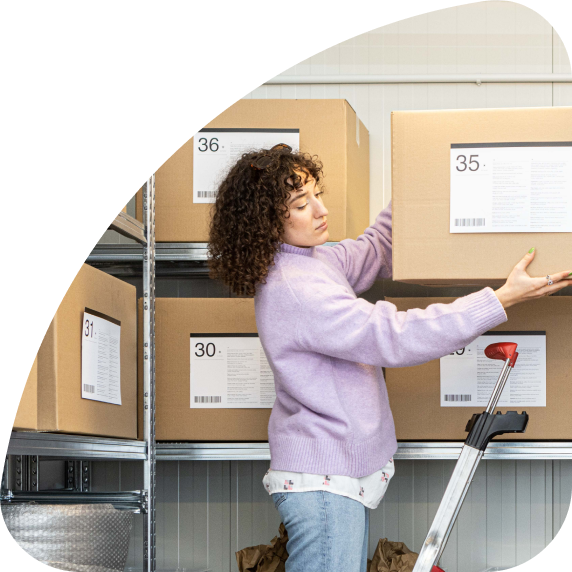
Customers experience one number: the time between clicking buy and opening the box. That total is made of two parts. The first is your handling time — how long an order waits before it leaves your door. The second is transit time — how long the courier takes. Sellers obsess over the second and neglect the first, yet a next-day courier is useless if orders sit in a pile for two days before anyone packs them. Fast shipping starts with same-day dispatch, then adds a fast carrier on top.
The fastest shipping methods, ranked
Same-day delivery
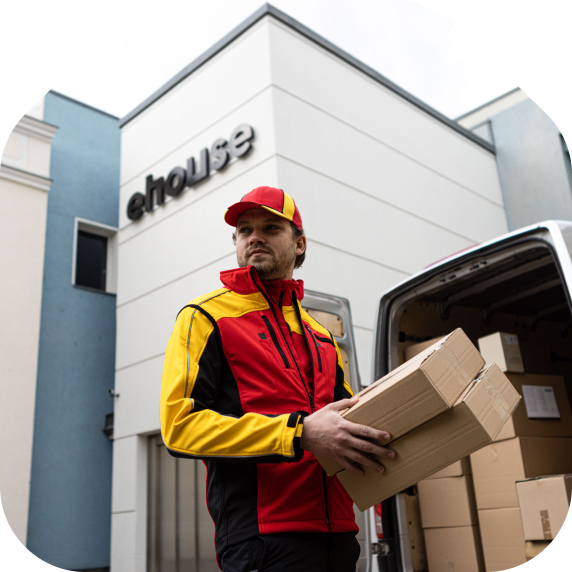
The gold standard for local orders. Same-day couriers collect in the afternoon and deliver within hours, which works brilliantly in dense urban areas. It is the most expensive option per parcel, so most stores reserve it for nearby customers or offer it as a paid upgrade at checkout.
Next-day and express
Next-day delivery hits the sweet spot of speed and cost for most domestic orders, and it is now what many shoppers quietly expect as the default. Express air services extend that near-next-day speed to international destinations at a premium.
Standard two-to-three-day shipping
Still the workhorse for most e-commerce. It is affordable, widely available, and perfectly acceptable when you set expectations clearly at checkout. Pairing free standard shipping with a paid faster option lets customers self-select.
Pickup points and parcel lockers
Often overlooked, but fast and cheap: the parcel travels to a nearby locker or shop, and the customer collects at their convenience. It removes failed delivery attempts, which are one of the biggest hidden causes of slow, frustrating deliveries.

How to choose a shipping solution that fits your products
The right speed depends on what you sell. Perishables and gifts justify same-day or next-day; a heavy, low-margin item may only work with standard shipping. Consider the value-to-weight ratio, how time-sensitive the purchase is, what your competitors promise, and what customers will actually pay for. A good rule: offer at least one fast option and one economical option, and be transparent about both delivery windows.
The real speed lever: where your inventory sits
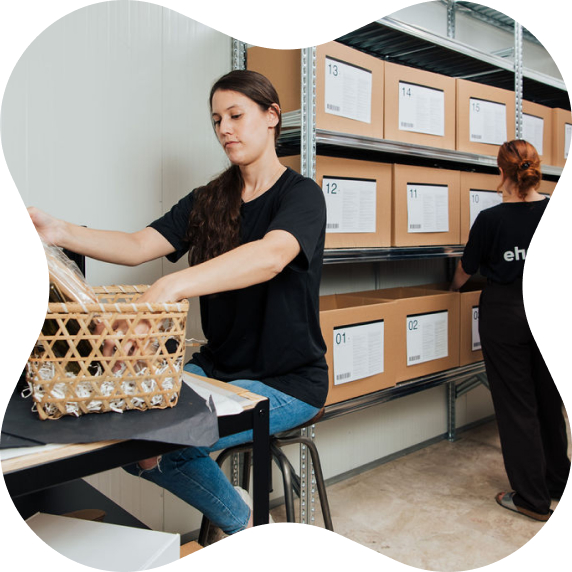
The single biggest factor in delivery speed is distance. An order shipped from a warehouse near your customers reaches them faster and cheaper than the same order flown across the country — no matter which courier you use. This is why growing stores distribute stock across locations, or partner with a third-party logistics (3PL) provider that already operates close to their buyers. If most of your customers are local, storing your stock locally in flexible warehousing often does more for speed than upgrading your courier.
Comparing couriers without the headache
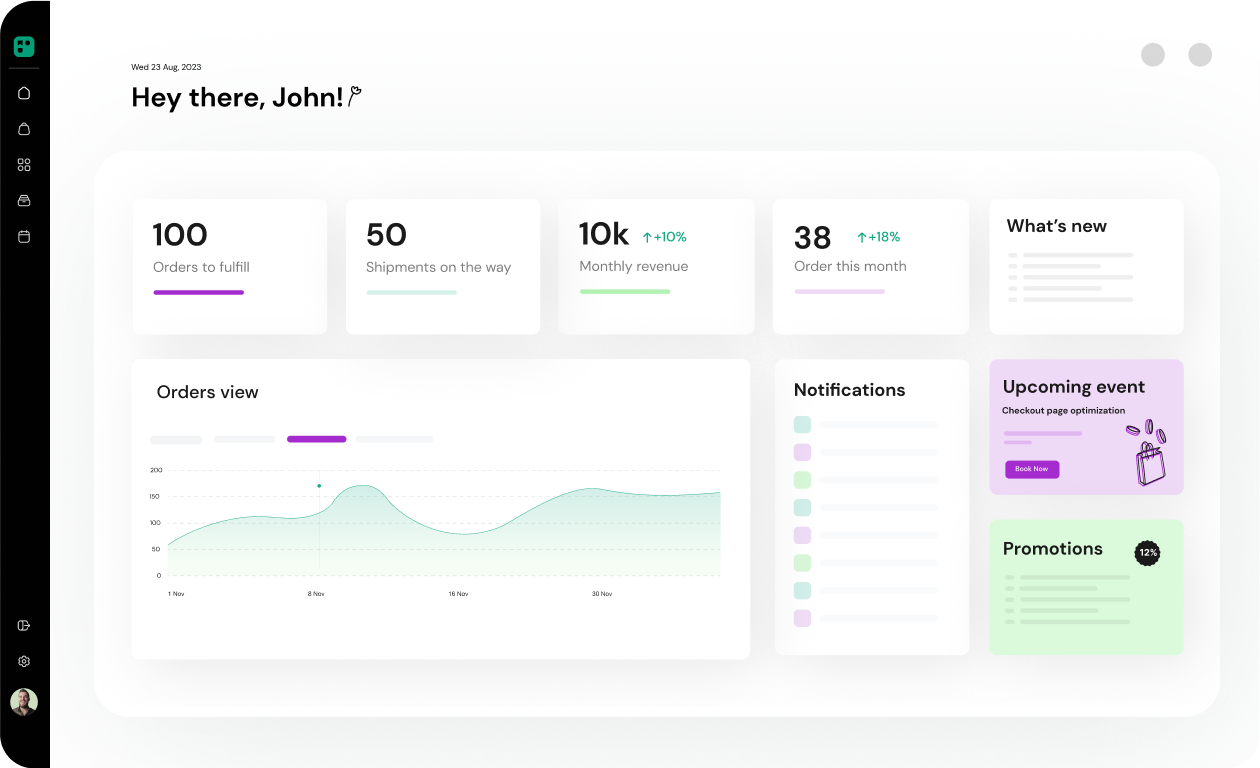
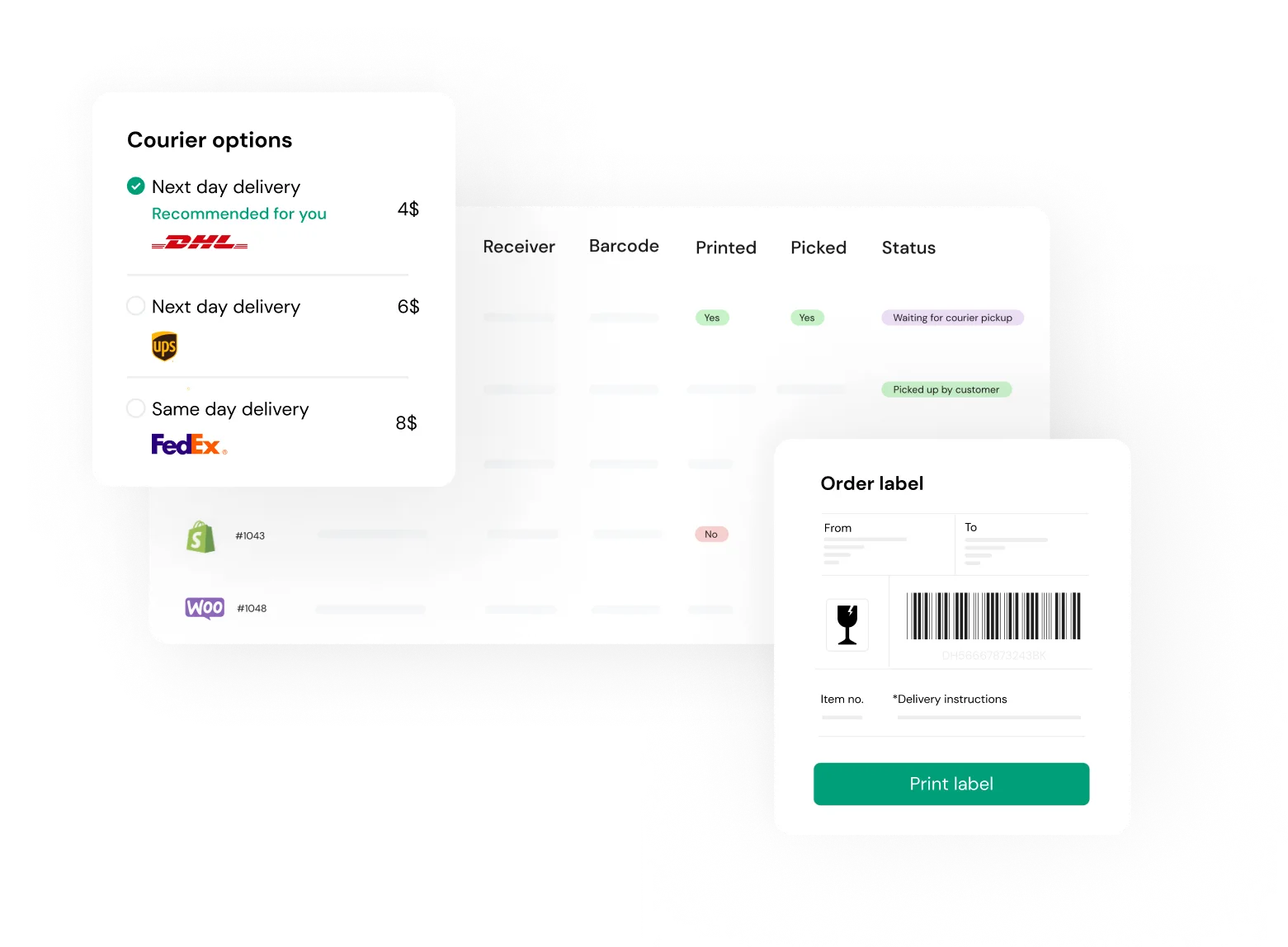
Fast shipping also means picking the right carrier for each order automatically, rather than defaulting to one. Modern fulfilment dashboards connect to your store — Shopify, WooCommerce, Wix and others — pull each order in, and surface courier options side by side with prices and delivery windows, so the cheapest same-day or next-day option is chosen per parcel and the label prints in one click. That is exactly how the ehouse platform handles dispatch, and it is the difference between shipping fast on paper and shipping fast in practice.
Ship faster with ehouse
Speed is a chain: receive stock, store it close to customers, pick and pack the moment an order arrives, and hand it to the right courier the same day. ehouse pulls that whole chain into one place — flexible local storage, in-house pick and pack, and a dashboard that compares couriers and prints labels automatically. If you want to tighten your handling time and offer faster delivery without hiring a logistics team, see how ehouse can help. For the fundamentals, our guide to e-commerce shipping solutions is a good next read.