Short answer: choose flexible storage by matching the type of space — a locker, a set of shelves, a pallet position or a private room — to the size and shape of your inventory, and pay by the square meter per month so you are never renting empty air. Flexible storage exists precisely so an online store can start with a single shelf and scale to a full room without signing a long warehouse lease. Here is how to think it through.
What is flexible storage, and why does it suit online stores?
Traditional warehousing asks you to commit to a fixed area and a long contract. Flexible storage flips that: you rent only the space your stock occupies right now, measured by the square meter, and you scale up or down as demand changes. For e-commerce — where inventory swings with seasons, launches and sales — that elasticity is the whole point. You are not paying for December-sized space in February.

Storage formats: from a locker to a private room
Lockers and shelves
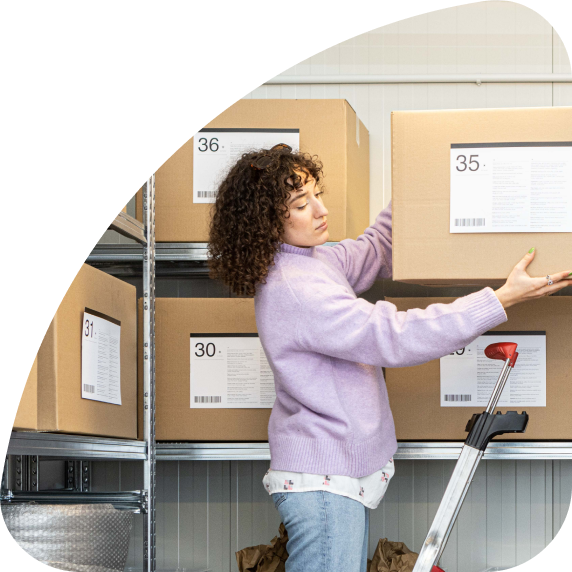
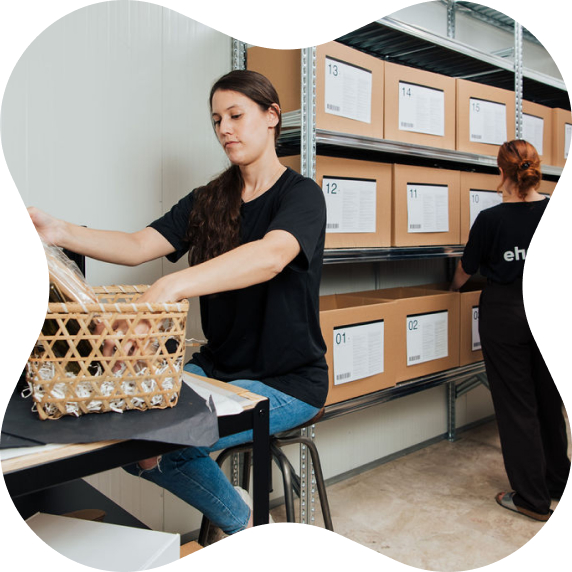
The natural starting point. A few shelves or a locker suit small, boxable products and low volumes — cosmetics, accessories, supplements. Cheap, immediate, and easy to outgrow gracefully.
Pallet positions
When stock arrives by the carton or you buy in bulk, pallet storage is more economical than shelving. You pay per pallet position, which keeps unit costs low as volume climbs.
Studios and private units
At a certain scale you want a dedicated, lockable space you can pick and pack inside — effectively your own micro-warehouse. A private unit also gives you room for a packing bench and a product-photography corner in the same footprint.
How much storage space do you actually need?
Estimate it rather than guess. Count your peak stock quantities, work out how they stack on a shelf, in a bin or on a pallet, and add roughly 20-30% for aisles, receiving and seasonal spikes. Because flexible storage is priced by the square meter, you can start slightly lean and add space the month you need it — far cheaper than leasing for your busiest week all year round. Revisit the number every quarter as your catalogue changes.
Beyond four walls: keeping eyes on your inventory
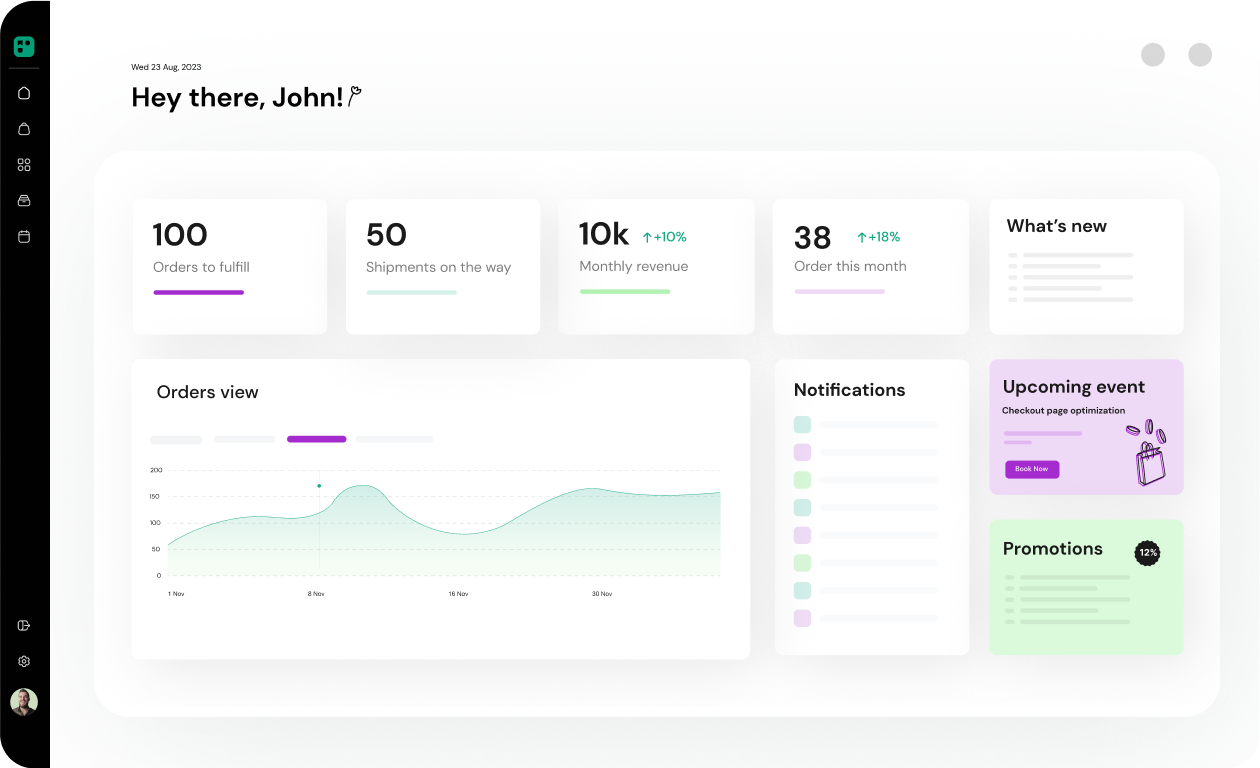
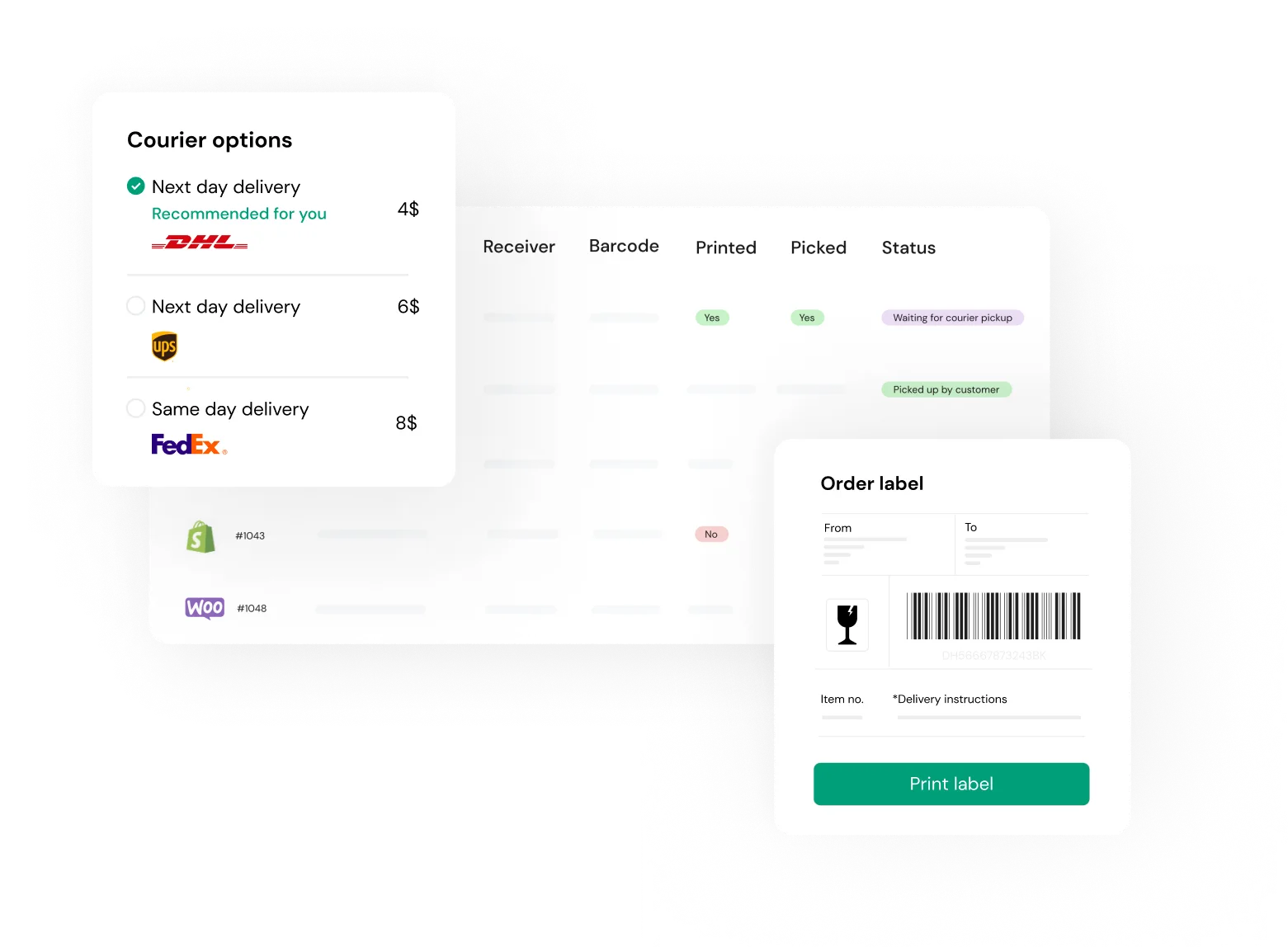
Storage is not just floor space — it is knowing what is on the shelf without walking over to look. The best flexible-storage setups pair the physical space with software that tracks stock levels, locations and low-stock alerts in real time, and syncs with your store. That means an order on Shopify or WooCommerce instantly reflects against the right shelf, and you get a nudge to restock before you sell out.

Questions to ask before you sign
A few questions separate a good flexible-storage partner from a cheap-looking one: Is pricing genuinely by the space you use, or are there minimums? How quickly can you scale up or down? Can they pick, pack and ship from the same location, or is storage all they do? Does it integrate with your store and give you live inventory data? And where exactly are the units — because location drives your shipping speed and cost. For a deeper look at the model, see our guide to flexible warehousing solutions and e-commerce inventory management.
Flexible storage that scales with you
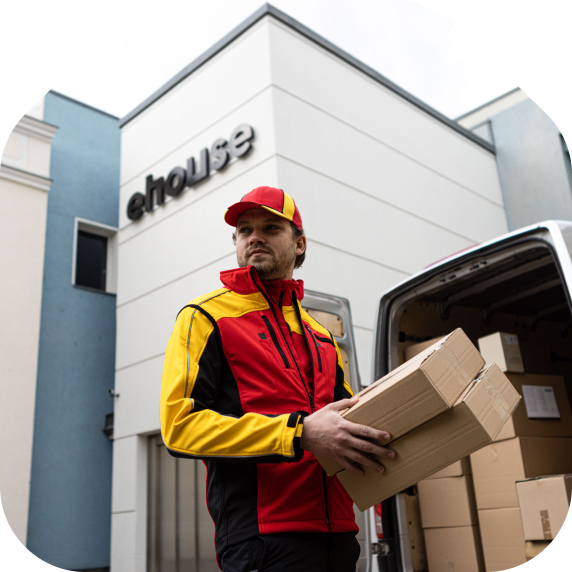
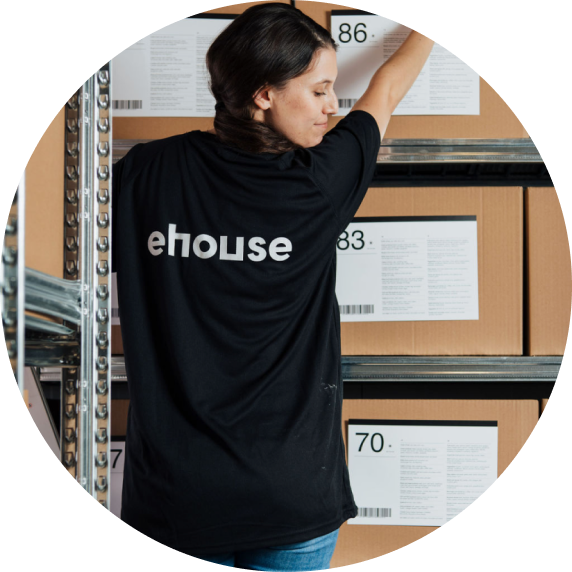
ehouse was built around exactly this idea: flexible storage units — lockers, shelves, pallets, studios and private offices — rented by the square meter and connected to a live inventory dashboard, with pick, pack and shipping available in the same building. You can start with a single shelf and grow into a private unit without ever moving suppliers. If you are weighing up storage options for your store, talk to the ehouse team about the right size to start with.